Rubberized Asphalt Shingles
Rubberized asphalt shingles represent a significant advancement in roofing technology, offering a compelling blend of durability, longevity, and aesthetic appeal. These shingles, incorporating modified asphalt and polymer additives, provide superior performance compared to traditional asphalt shingles, making them a popular choice for homeowners and builders alike. This guide delves into the intricacies of rubberized asphalt shingles, exploring their composition, installation, performance characteristics, environmental impact, and consumer considerations to provide a complete understanding of this roofing solution.
From the manufacturing process involving the careful blending of asphalt and polymers to the long-term performance benefits in various climates, we’ll examine every aspect. We’ll also compare their cost-effectiveness against other roofing materials, helping you make an informed decision for your next roofing project. Whether you are a homeowner considering a roof replacement or a contractor seeking detailed information, this comprehensive overview will serve as a valuable resource.
Rubberized Asphalt Shingles: A Comprehensive Overview
Rubberized asphalt shingles represent a significant advancement in roofing technology, offering enhanced durability, weather resistance, and longevity compared to traditional asphalt shingles. This comprehensive guide delves into the manufacturing process, composition, advantages, installation, maintenance, performance characteristics, environmental impact, and consumer considerations associated with these innovative roofing materials.
Manufacturing Process of Rubberized Asphalt Shingles
The production of rubberized asphalt shingles involves a sophisticated process that combines traditional asphalt shingle manufacturing with the incorporation of polymers. First, a base mat, typically made from fiberglass, is saturated with a modified asphalt blend containing polymers such as styrene-butadiene-styrene (SBS) or atactic polypropylene (APP). This asphalt mixture provides flexibility and enhanced durability. Next, granules of various sizes and colors are applied to the surface, providing aesthetic appeal and UV protection. Finally, the shingles are cut to their final shape and cured before packaging and distribution.
Composition of Rubberized Asphalt Shingles
Rubberized asphalt shingles are composed primarily of asphalt, a fiberglass mat, and polymer modifiers. The asphalt provides the waterproofing properties, while the fiberglass mat adds structural strength. Key polymer modifiers, like SBS and APP, enhance flexibility, durability, and resistance to temperature extremes. The granules on the shingle’s surface offer protection against UV radiation and enhance the shingle’s aesthetic qualities. Different manufacturers may use proprietary blends of these components, leading to variations in performance characteristics.
Advantages of Rubberized Asphalt Shingles
Rubberized asphalt shingles offer several key advantages over traditional asphalt shingles. Their enhanced flexibility allows them to better withstand temperature fluctuations, reducing the risk of cracking and damage. The polymer modification significantly improves their durability and resistance to weathering, extending their lifespan. They also tend to offer superior wind resistance and impact resistance compared to standard asphalt shingles.
Lifespan and Durability Compared to Other Roofing Materials
Rubberized asphalt shingles typically boast a lifespan of 20-30 years, significantly longer than traditional asphalt shingles (15-20 years). While not as long-lasting as some other roofing materials like clay tiles (50-100 years) or slate (75-150 years), they offer a good balance of durability and affordability. Compared to metal roofing (40-75 years), their lifespan is shorter, but their initial cost is considerably lower.
Cost Comparison of Roofing Options
Source: skywalkerroofingnc.com
| Roofing Material | Cost per Square (100 sq ft) | Lifespan (Years) | Notes |
|---|---|---|---|
| Rubberized Asphalt Shingles | $80 – $200 | 20-30 | Cost varies based on quality and features. |
| Traditional Asphalt Shingles | $50 – $150 | 15-20 | Less expensive, shorter lifespan. |
| Metal Roofing | $150 – $400 | 40-75 | More expensive, longer lifespan. |
| Clay Tiles | $200 – $500 | 50-100 | High cost, very long lifespan. |
Installation of Rubberized Asphalt Shingles
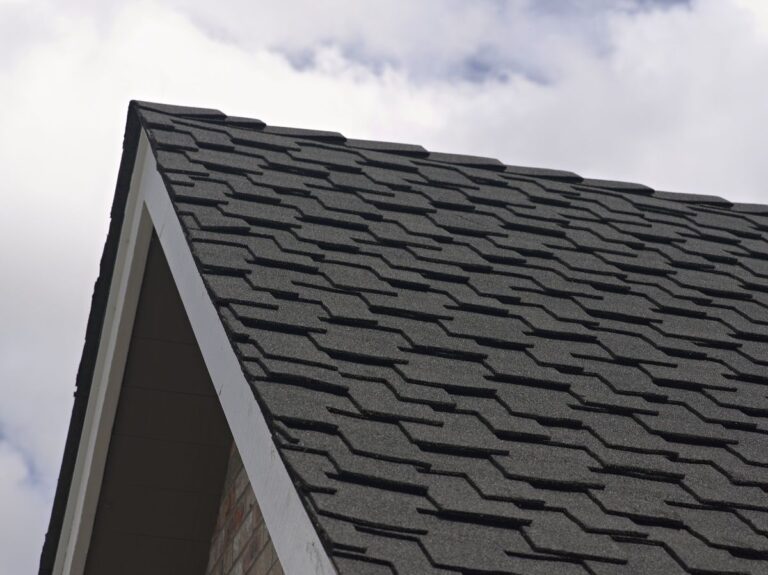
Source: roof-crafters.com
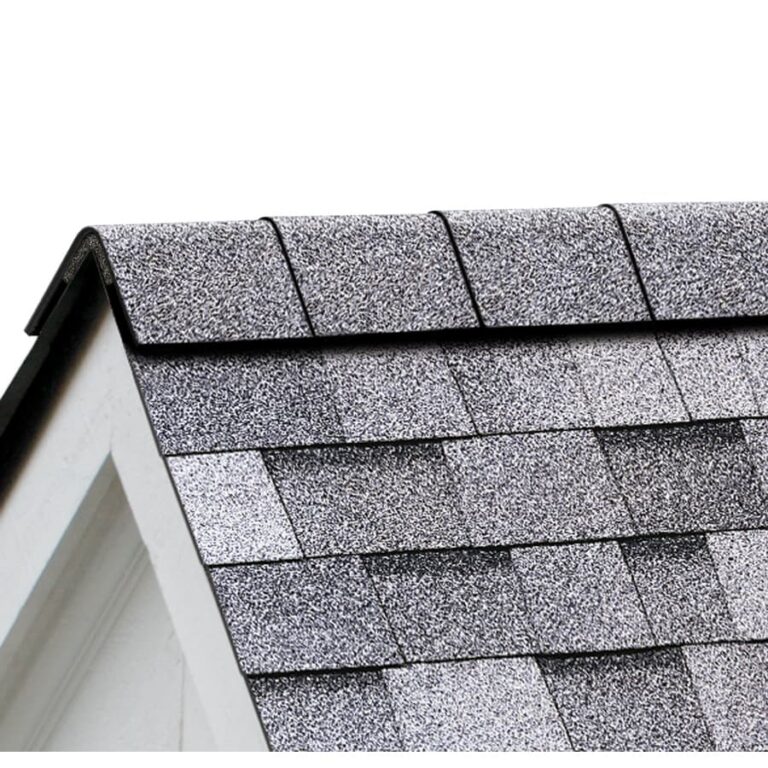
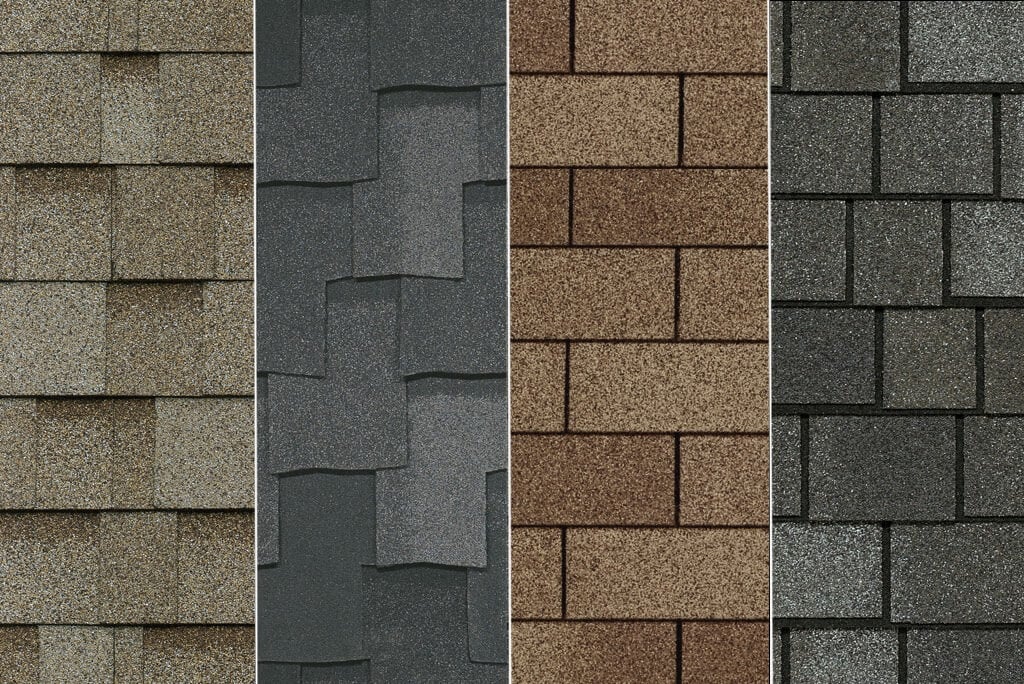
Installing rubberized asphalt shingles involves several key steps. Preparation of the roof deck is crucial, ensuring it’s clean, dry, and free of any debris. Underlayment is then installed to provide an extra layer of protection against moisture. Shingles are installed starting from the bottom edge of the roof, working upwards in overlapping rows, ensuring proper alignment and nail placement. Finally, the ridge and hip areas are covered with specialized shingles to complete the installation.
Tools and Equipment for Installation
Appropriate tools and equipment are essential for a successful installation. These include a roofing nail gun, measuring tape, utility knife, chalk line, hammer, safety harness, and various other specialized roofing tools. It is important to utilize appropriate safety equipment throughout the entire installation process.
Maintenance of Rubberized Asphalt Shingles
Regular maintenance is crucial for extending the lifespan of rubberized asphalt shingles. This involves regular inspections to identify and address any potential problems such as damaged shingles, loose flashing, or moss growth. Cleaning the roof of debris and moss is also important to prevent damage and maintain its aesthetic appeal. Periodically inspecting the flashing around chimneys and vents is also critical.
Common Installation and Maintenance Problems and Solutions, Rubberized asphalt shingles
Common problems include improper nail placement, inadequate underlayment, and damage from debris. Solutions involve re-nailing loose shingles, replacing damaged underlayments, and regular roof cleaning. Addressing these issues promptly prevents further damage and ensures the roof’s longevity.
Roof Inspection and Maintenance Checklist
A comprehensive checklist should include inspecting for damaged shingles, loose flashing, clogged gutters, moss growth, and any signs of leaks or water damage. Regular cleaning and prompt repairs are vital in maintaining a well-functioning and long-lasting roof.
Wind and Impact Resistance of Rubberized Asphalt Shingles
Rubberized asphalt shingles exhibit superior wind resistance compared to traditional asphalt shingles due to their enhanced flexibility and the strong adhesion of the polymer-modified asphalt to the fiberglass mat. Their impact resistance is also generally higher, offering better protection against hail and falling debris. Specific wind and impact resistance ratings vary by manufacturer and shingle model.
Performance in Extreme Weather Conditions
Source: garlock-french.com
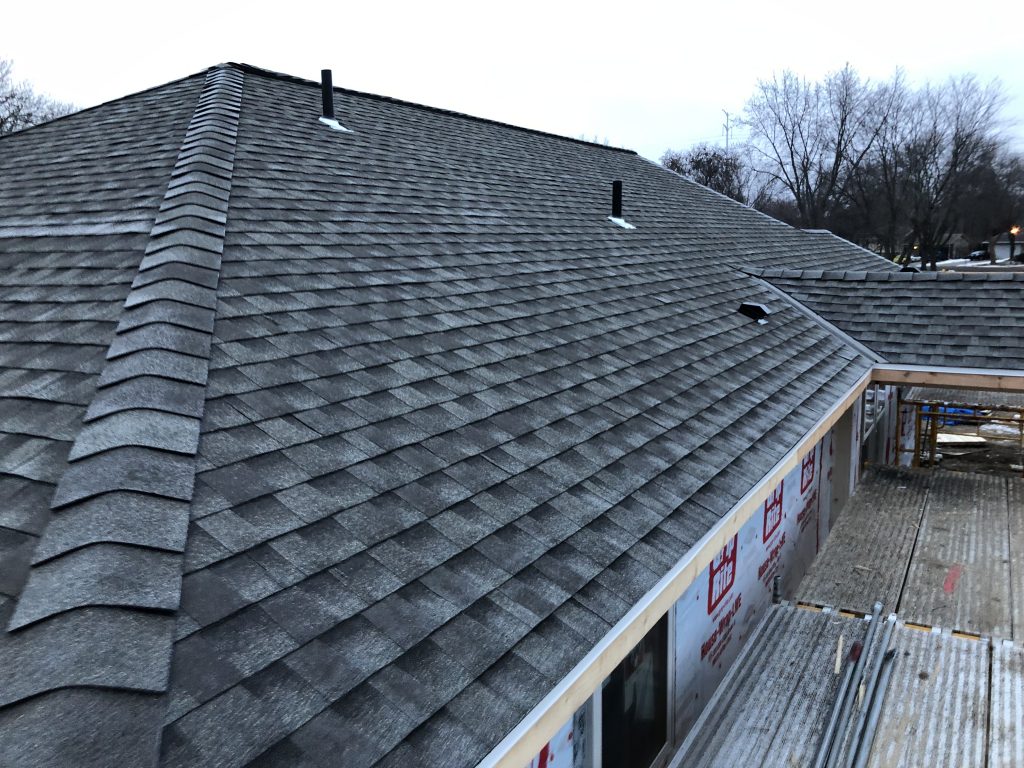
These shingles are designed to withstand a wide range of extreme weather conditions. The polymer modification enhances their resistance to temperature fluctuations, preventing cracking in both hot and cold climates. Their improved impact resistance helps protect against hail damage. However, exceptionally severe weather events may still cause damage.
Performance in Different Climates
Rubberized asphalt shingles perform well across various climates. Their flexibility allows them to adapt to temperature fluctuations, making them suitable for both hot and cold regions. However, the specific type of polymer used (SBS or APP) may influence their performance in extremely hot or cold climates.
Factors Affecting Longevity
Several factors influence the longevity of rubberized asphalt shingles, including the quality of materials, proper installation, regular maintenance, and the severity of weather conditions in the region. Proper ventilation also plays a critical role in preventing moisture buildup and extending the lifespan of the roof.
Key Performance Characteristics
- Enhanced durability and longevity compared to traditional asphalt shingles.
- Superior wind and impact resistance.
- Excellent resistance to temperature fluctuations.
- Good performance across various climates.
- Relatively low maintenance requirements.
Environmental Impact of Manufacturing
The manufacturing process involves the use of petroleum-based materials, contributing to greenhouse gas emissions. However, some manufacturers are incorporating recycled materials and employing more energy-efficient production methods to reduce their environmental footprint.
Recyclability and Disposal
While not widely recycled, some initiatives are exploring the recycling of asphalt shingles. Disposal methods typically involve landfill disposal. However, responsible disposal practices, such as separating the components for potential future recycling, should be encouraged.
Environmental Footprint Compared to Other Materials
Source: palmettoroofers.com
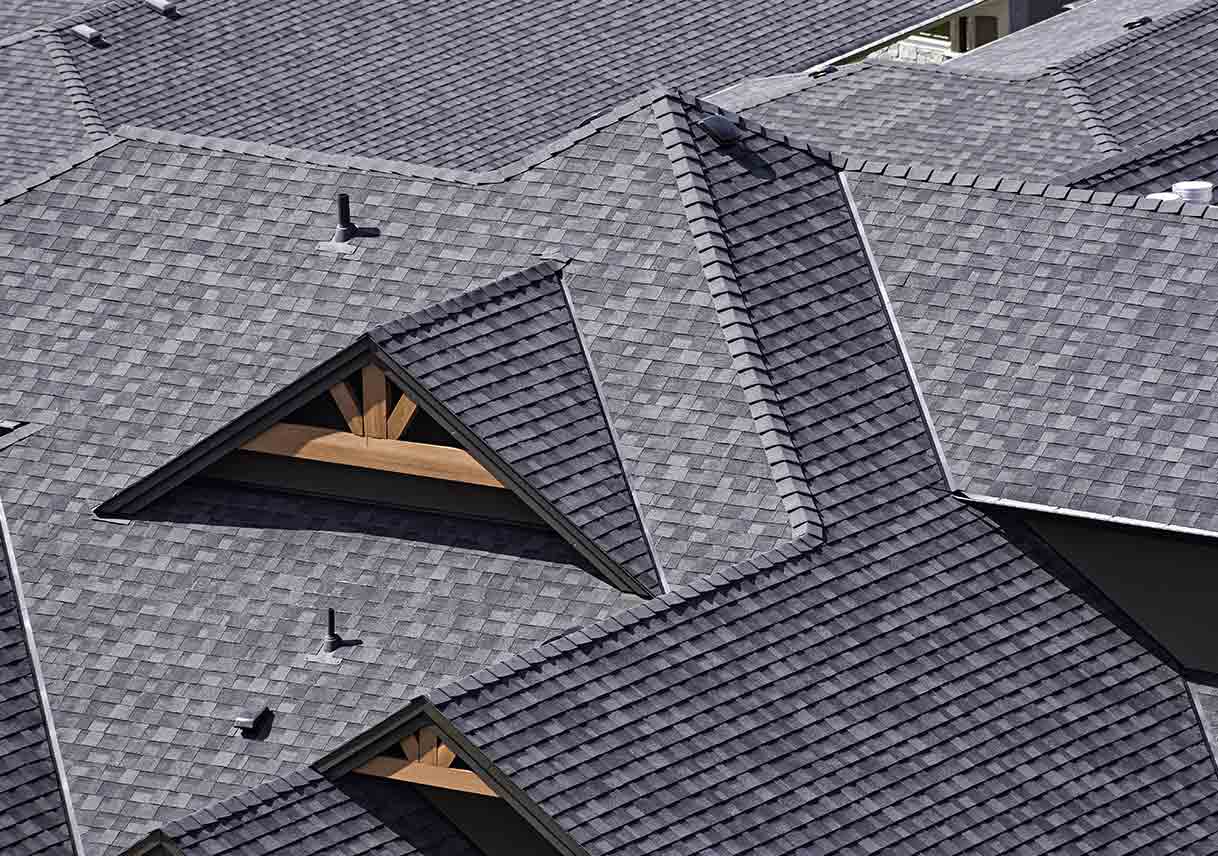
Compared to other roofing materials, the environmental impact of rubberized asphalt shingles is moderate. While their manufacturing process contributes to greenhouse gas emissions, their relatively long lifespan reduces the frequency of replacements, lessening the overall environmental impact compared to shorter-lived materials.
Energy Efficiency Benefits
Properly installed rubberized asphalt shingles can contribute to energy efficiency by providing a good thermal barrier, reducing heat transfer in both summer and winter. This can lead to lower energy consumption for heating and cooling.
Life Cycle of a Rubberized Asphalt Shingle
The life cycle begins with raw material extraction and manufacturing, followed by transportation to the installation site, decades of service on the roof, and finally, removal and disposal or potential recycling. The environmental impact is distributed across these stages.
Factors to Consider When Choosing Rubberized Asphalt Shingles
Consumers should consider factors such as budget, climate, desired lifespan, aesthetic preferences, and the warranty offered by the manufacturer. It’s crucial to research different shingle brands and models to find the best fit for their specific needs.
Warranty and Guarantee Options
Manufacturers offer various warranty and guarantee options, covering defects in materials and workmanship. It’s essential to carefully review the warranty terms and conditions before making a purchase.
Selecting a Reputable Roofing Contractor
Source: hansons.com
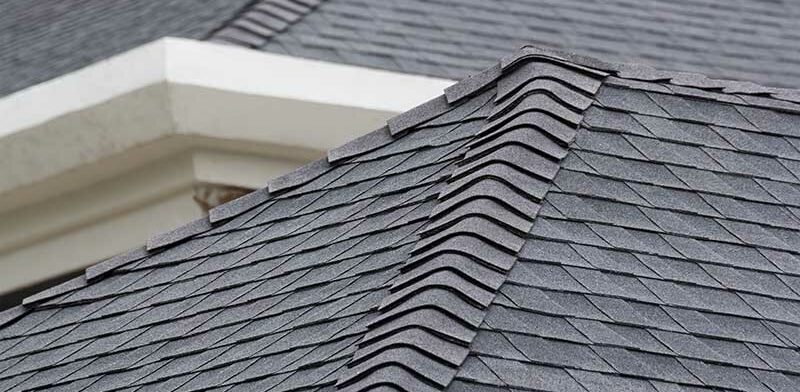
Choosing a reputable roofing contractor is crucial for a successful installation. Look for contractors with experience in installing rubberized asphalt shingles, positive customer reviews, and appropriate licensing and insurance.
Potential Long-Term Costs
While the initial cost of rubberized asphalt shingles is relatively moderate, long-term costs should also be considered. These include potential repair and maintenance costs throughout the shingle’s lifespan.
Interpreting Product Specifications
Source: modernize.com
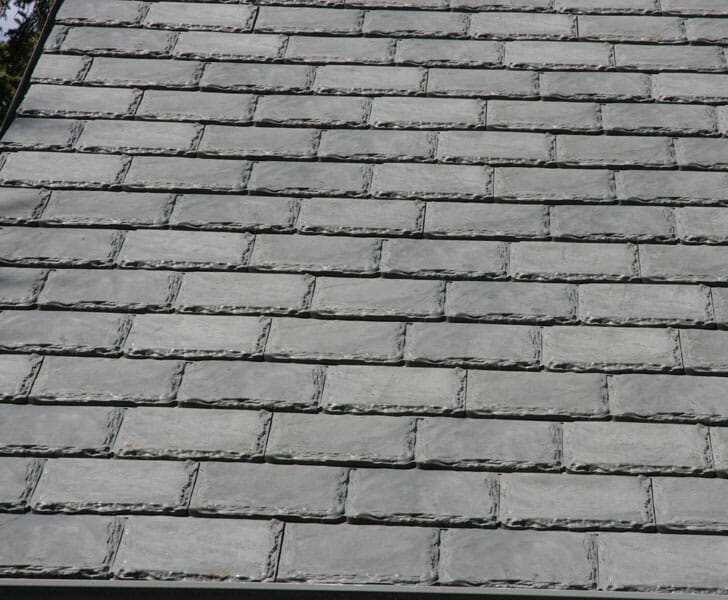
Product specifications typically include details on the shingle’s dimensions, weight, wind resistance, fire rating, and warranty. Understanding these specifications helps consumers choose the appropriate shingle for their specific application.
Question & Answer Hub
What is the average lifespan of rubberized asphalt shingles?
The lifespan of rubberized asphalt shingles typically ranges from 30 to 50 years, significantly longer than traditional asphalt shingles.
Are rubberized asphalt shingles fire-resistant?
While not completely fireproof, rubberized asphalt shingles possess a higher degree of fire resistance compared to standard asphalt shingles due to their composition.
How do I clean rubberized asphalt shingles?
Regular cleaning involves gently removing debris with a soft brush and occasionally using a pressure washer on a low setting to avoid damage. Avoid harsh chemicals.
Can rubberized asphalt shingles be installed in any climate?
Yes, but their performance can vary depending on the climate. Extreme temperature fluctuations might impact their lifespan, although they are generally designed to withstand a wide range of conditions.
What are the common signs of damage to rubberized asphalt shingles?
Common signs include curling, cracking, missing granules, and discoloration. Regular inspections are recommended to identify and address issues promptly.