Residential Flat Roof Repair
Residential flat roof repair is a crucial aspect of home maintenance, often overlooked until a leak or significant damage occurs. Understanding the common causes of flat roof problems, the various repair materials and methods, and the associated costs is essential for homeowners to make informed decisions and protect their investment. This guide provides a comprehensive overview of everything you need to know, from identifying problems to selecting a qualified contractor.
This guide will walk you through the process of diagnosing issues, choosing appropriate repair techniques and materials, and understanding the financial implications. We’ll cover everything from identifying the signs of damage caused by age, weather, or poor installation to the specifics of applying a modified bitumen patch or replacing a section of damaged EPDM roofing. We’ll also address the importance of safety precautions and the process of finding a reputable contractor to ensure a successful and long-lasting repair.
Common Residential Flat Roof Problems
Flat roofs, while offering design advantages, are susceptible to various issues that can lead to leaks and structural damage. Understanding the common causes and recognizing the warning signs is crucial for timely repairs and preventing extensive damage. This section details five frequent causes of flat roof leaks, their accompanying signs, severity levels, and potential consequences.
Frequent Causes of Flat Roof Leaks
Five of the most common causes of flat roof leaks in residential buildings include ponding water, damaged flashing, deteriorated membranes, clogged drains, and punctures.
| Problem | Signs of Damage | Severity | Potential Consequences |
|---|---|---|---|
| Ponding Water | Visible water accumulation on the roof surface, often after rainfall. Sagging or bubbling of the roofing membrane. | Medium to High (depending on the volume and duration of ponding) | Membrane deterioration, structural damage, interior water damage, mold growth. |
| Damaged Flashing | Leaks around chimneys, vents, skylights, or other penetrations in the roof. Rust or corrosion on metal flashing. Cracks or gaps in sealant around flashing. | Low to High (depending on the extent of the damage and location) | Water intrusion at penetration points leads to interior damage and potential structural weakening. |
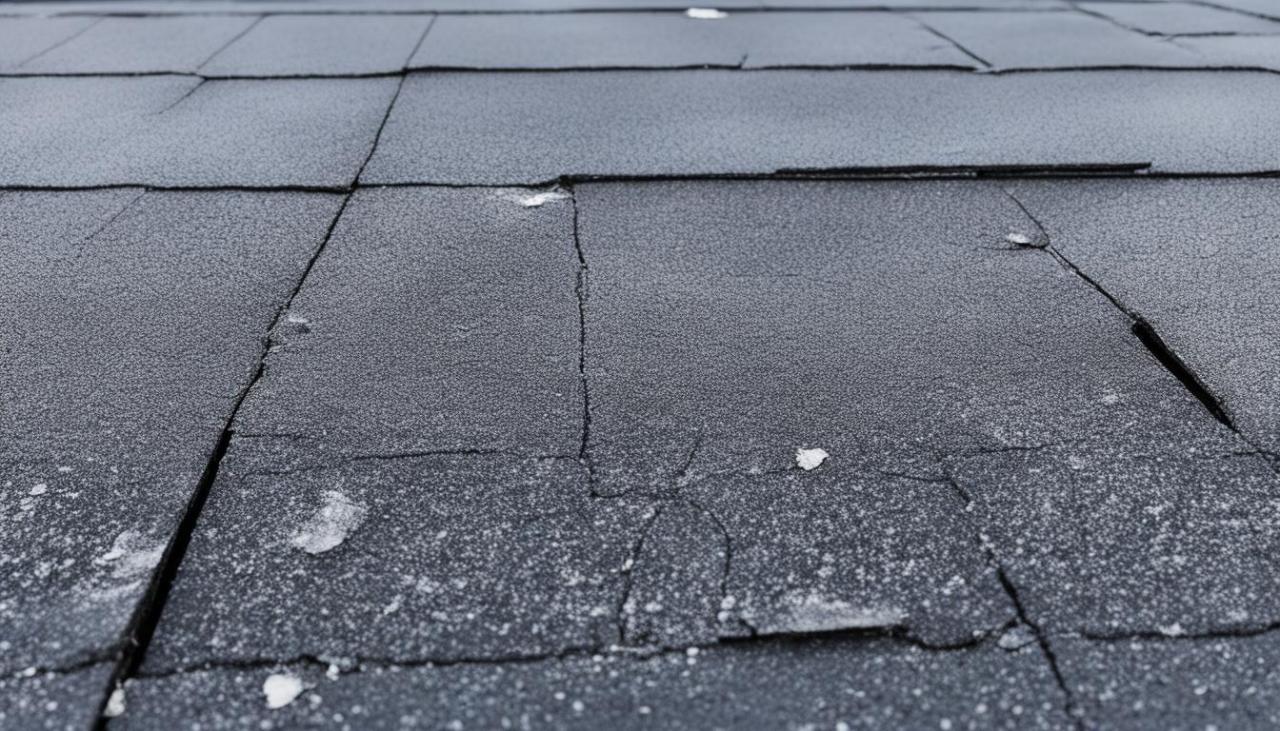
| Deteriorated Membrane | Cracks, blisters, or punctures in the roofing membrane. Signs of aging, such as discoloration or brittleness. Granules missing from the surface of a built-up roof. | Low to High (depending on the extent and location of deterioration) | Water leakage, increased risk of ponding, premature roof failure. |
| Clogged Drains | Ponding water around drains. Slow drainage after rainfall. Visible debris in the drains. | Medium (if not addressed promptly, can escalate to high severity) | Excessive water accumulation leads to membrane damage and potential structural issues. |
| Punctures | Visible holes or tears in the roofing membrane. Water stains on the ceiling below the puncture. | Low to Medium (depending on the size and location of the puncture) | Direct water leakage, the potential for increased damage if left unaddressed. |
Damage Comparison: Age, Weather, and Poor Installation
Damage from age manifests as general wear and tear, including cracking, brittleness, and loss of elasticity in the roofing membrane. Weather damage is often localized, with more intense damage in areas exposed to direct sunlight, heavy rain, or ice buildup. Poor installation leads to weaknesses and vulnerabilities throughout the roof system, often resulting in leaks at seams, penetrations, or low points.
Flat Roof Repair Materials and Methods
Source: co.uk
Several materials are suitable for flat roof repairs, each with its advantages and disadvantages. Choosing the right material depends on the extent of the damage, budget, and desired lifespan of the repair.
Comparison of Roofing Materials
- EPDM (Ethylene Propylene Diene Monomer): A durable, synthetic rubber membrane known for its flexibility, longevity, and ease of installation. It’s relatively inexpensive and comes in large sheets, minimizing seams. However, it can be susceptible to UV damage and punctures.
- TPO (Thermoplastic Polyolefin): A single-ply membrane offering excellent reflectivity, reducing energy costs. It’s durable, resistant to UV degradation, and relatively easy to install. However, it can be more expensive than EPDM.
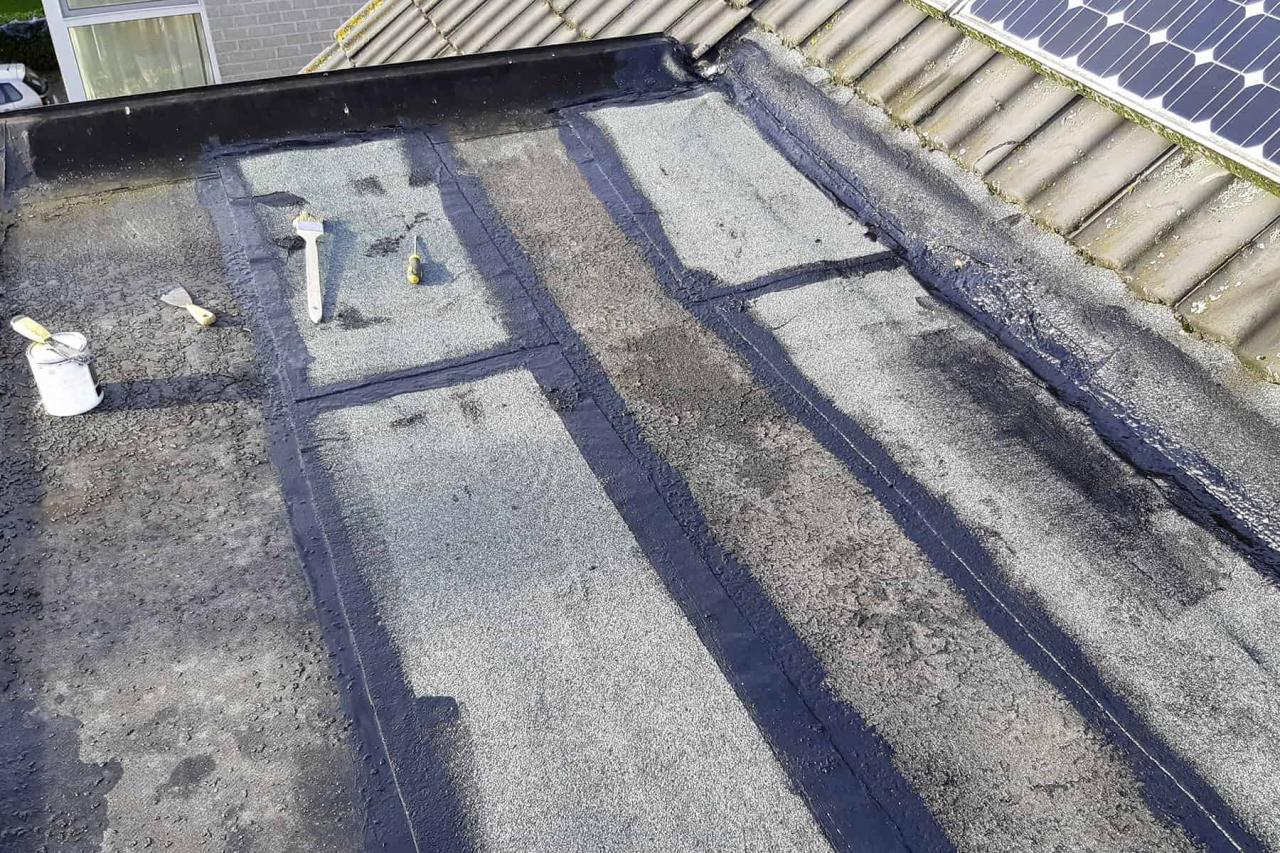
- Modified Bitumen: A traditional roofing material consisting of asphalt modified with polymers to enhance durability and flexibility. It’s relatively affordable and readily available, but requires more skilled installation and has a shorter lifespan compared to EPDM or TPO.
Applying a Modified Bitumen Patch
- Clean the area around the leak thoroughly, removing any loose debris or damaged roofing material.
- Apply a primer to the cleaned surface to ensure proper adhesion of the patch.
- Cut a patch of modified bitumen slightly larger than the damaged area.
- Heat the underside of the patch using a propane torch or heat gun (following the manufacturer’s instructions carefully).
- Carefully press the heated patch onto the prepared surface, ensuring complete contact.
- Roll down the patch firmly to remove any air bubbles and ensure proper adhesion.
- Allow the patch to cool and cure completely before exposing it to water.
Replacing a Section of Damaged EPDM Roofing
Replacing a damaged section of EPDM involves carefully removing the affected area, preparing the substrate, and installing a new section of EPDM membrane, ensuring a watertight seal at the edges. The process typically involves cutting out the damaged section, cleaning the surrounding area, applying adhesive, installing the new EPDM patch, and sealing the seams using EPDM tape or sealant. Each step requires careful attention to detail to ensure a successful and long-lasting repair.
A visual description of this process would show the careful cutting of the damaged EPDM with a sharp utility knife, ensuring clean edges. Next, it would illustrate the cleaning of the surrounding area, followed by the application of a compatible adhesive to both the roof substrate and the edges of the new EPDM patch. The precise placement and pressing of the new patch, and the careful application of sealant to the seams, would be vividly depicted. Finally, the finished, seamlessly integrated patch would demonstrate the successful completion of the repair.
Tools and Equipment for Flat Roof Repair: Residential Flat Roof Repair
Having the right tools and equipment is crucial for efficient and safe flat roof repairs. This section lists essential tools, safety precautions, and alternative options.
Essential Tools and Equipment
| Tool | Function | Safety Precautions | Alternative Options |
|---|---|---|---|
| Utility Knife | Cutting roofing materials | Use caution to avoid cutting yourself. Always use a sharp blade. | Rotary cutter |
| Roofing Cement | Sealing seams and cracks | Use in well-ventilated areas. Avoid contact with skin and eyes. | EPDM tape |
| Caulk Gun | Applying sealant | Use caution to avoid injury. Follow the manufacturer’s instructions. | Manual caulking tool |
| Measuring Tape | Measuring materials | Ensure accurate measurements. | Laser measure |
| Ladder | Accessing the roof | Use a stable ladder with appropriate height. Follow safety guidelines. | Scaffolding |
Safety Precautions
- Always inspect the roof before starting any work to identify potential hazards.
- Use appropriate safety equipment, including fall protection, gloves, and eye protection.
- Work with a partner whenever possible.
- Be aware of weather conditions and postpone work if necessary.
- Use proper ventilation when working with solvents or adhesives.
Roofing Sealant Gun Diagram
A diagram of a roofing sealant gun would show the gun’s body, trigger mechanism, nozzle, and cartridge holder. Arrows would indicate the direction of the trigger pull to dispense sealant. Labels would identify each part and indicate the proper hand placement for control and stability. A clear visual representation would illustrate how the cartridge is inserted and how the nozzle can be adjusted for precise sealant application.
Cost Considerations for Flat Roof Repair
The cost of flat roof repair varies greatly depending on several factors. Understanding these factors can help you budget effectively and make informed decisions about repair methods.
Factors Influencing Repair Costs
Source: nrc4help.com
Factors influencing repair costs include the extent of the damage, the type of roofing material used, the size of the roof, labor costs, material costs, and the contractor’s overhead.
Cost Comparison: Patching vs. Full Replacement
| Repair Method | Material Costs | Labor Costs | Total Estimated Cost |
|---|---|---|---|
| Patching a small leak | $50 – $150 | $100 – $300 | $150 – $450 |
| Full roof replacement | $5,000 – $20,000 | $5,000 – $15,000 | $10,000 – $35,000 |
Note: These are estimates and can vary significantly based on location, materials, and contractor.
Cost Savings from Preventative Maintenance
Source: modernize.com
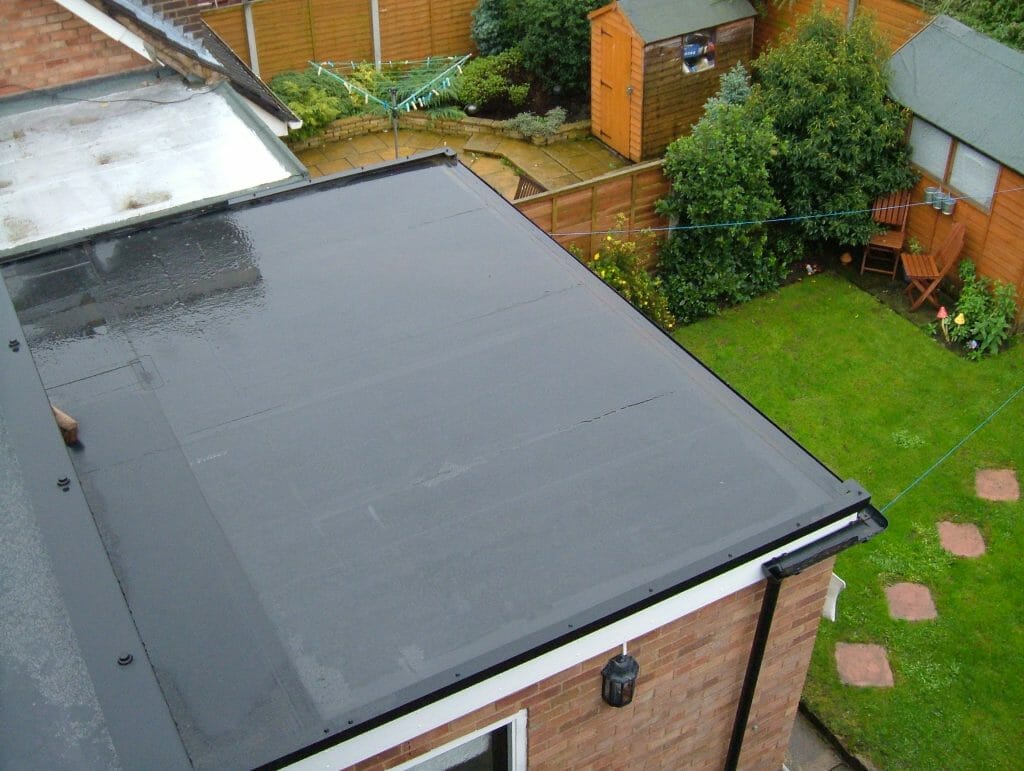
Regular inspections and preventative maintenance, such as cleaning gutters and drains, can significantly reduce the likelihood of major repairs, leading to substantial long-term cost savings. Addressing small issues promptly can prevent them from escalating into larger, more expensive problems.
Finding and Hiring a Qualified Contractor
Choosing a reputable contractor is essential for a successful and long-lasting flat roof repair. In this section, Artikels steps to find and evaluate contractors.
Finding a Reputable Contractor, Residential flat roof repair
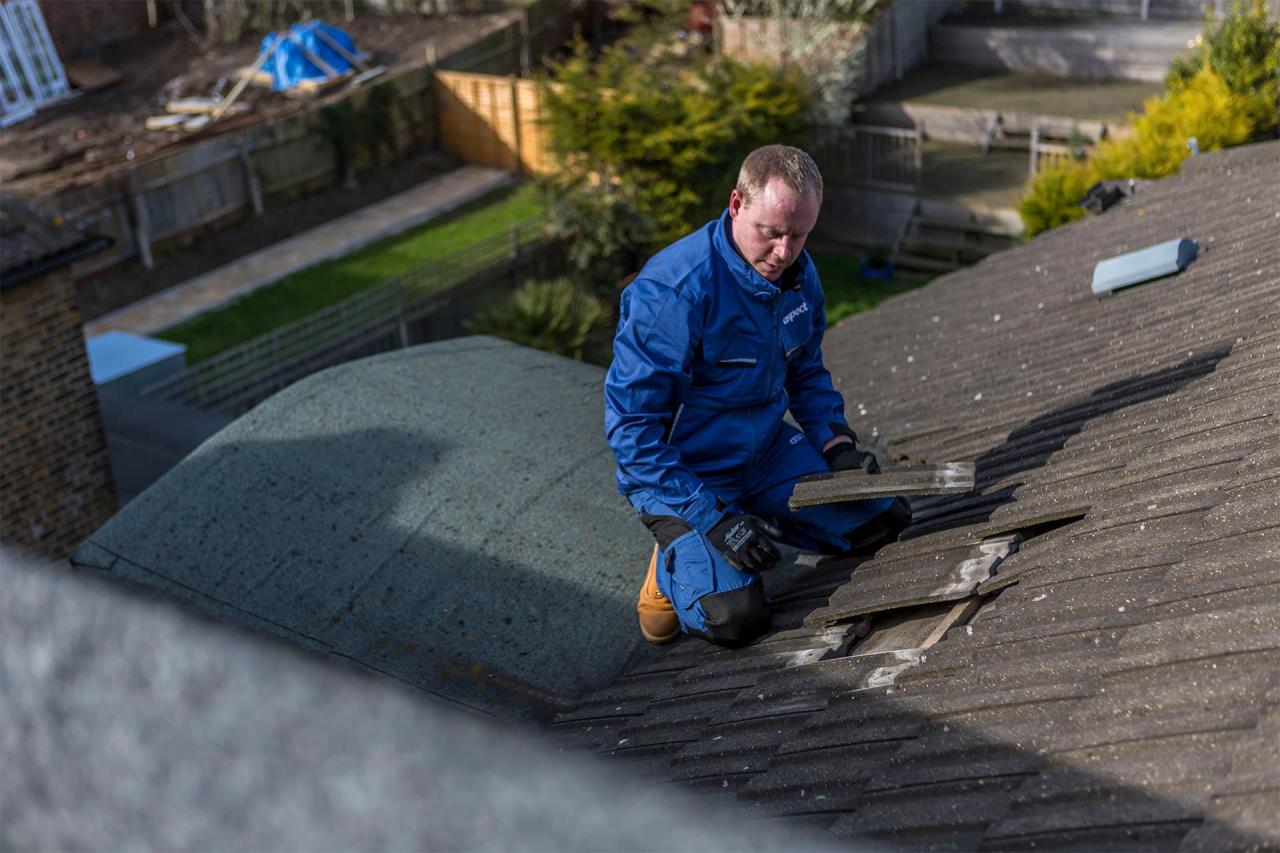
Start by seeking recommendations from friends, family, or neighbors. Check online reviews and ratings. Verify the contractor’s licensing and insurance. Consider contacting several contractors to compare quotes and services.
Questions to Ask Potential Contractors
- What is your experience with flat roof repairs?
- Are you licensed and insured?
- What materials do you recommend and why?
- What is your warranty policy?
- Can you provide references?
- What is your estimated timeline for completion?
- What is your payment schedule?
Evaluating Contractor Bids
Source: co.uk
| Contractor | Material Costs | Labor Costs | Total Cost | Warranty | Experience |
|---|---|---|---|---|---|
| Contractor A | $X | $Y | $Z | [Warranty details] | [Years of experience] |
| Contractor B | $X | $Y | $Z | [Warranty details] | [Years of experience] |
Compare bids based on total cost, warranty, experience, and materials used. Don’t always choose the cheapest option; consider the value and reputation of the contractor.
FAQ Compilation
What is the average lifespan of a residential flat roof?
The lifespan varies depending on the materials used and maintenance performed but generally ranges from 15 to 20 years.
Can I repair my flat roof myself?
Minor repairs like patching small leaks are possible for DIYers with some experience. However, larger repairs or full replacements are best left to professionals for safety and quality reasons.
What is the best time of year to repair a flat roof?
Warmer, drier weather is ideal for most flat roof repairs, as it allows materials to cure properly and minimizes the risk of weather-related delays.
How do I find a reputable roofing contractor?
Check online reviews, ask for references, verify licenses and insurance, and obtain multiple bids before making a decision.
What type of warranty should I expect from a contractor?
A reputable contractor should offer a warranty on both materials and workmanship. The length of the warranty can vary, so it’s important to clarify this before agreeing to any work.